
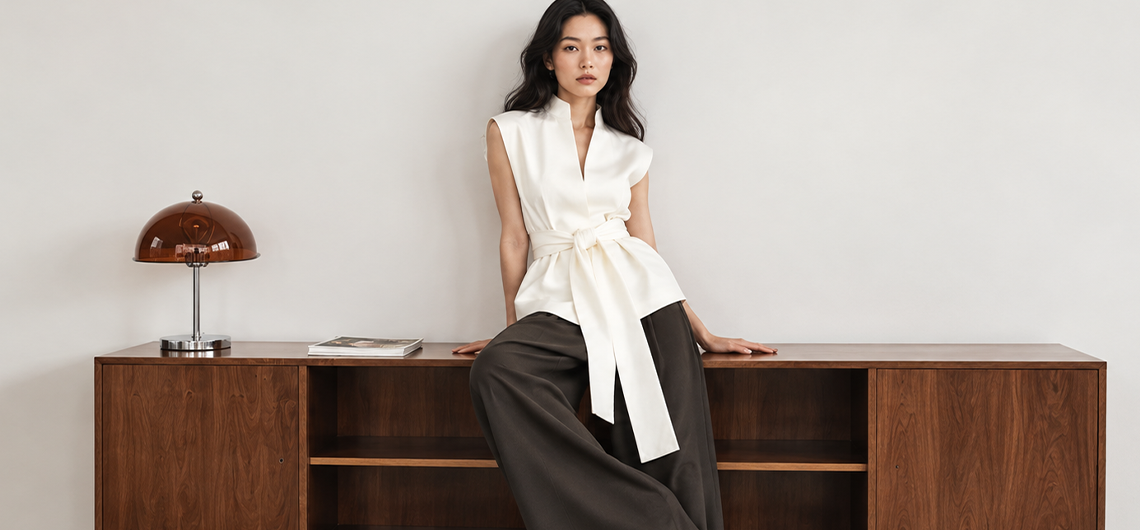
The invitation arrives, and your hand reaches for the same black dress again. It fits. It works. It also makes every event photo feel strangely familiar. Color can change that story without asking you to change your entire wardrobe. The right shade can frame your face, sharpen a simple silhouette, or turn a quiet entrance into a memorable one. Yet picking a colorful dress can feel intimidating when black has always been your fallback. Start with the occasion and a shade you would enjoy seeing in your closet tomorrow. These seven colors offer fresh ways to show up as yourself.
Cobalt has presence without relying on sparkle or elaborate details. Its vivid blue works beautifully on a simple slip dress, structured midi, or flowing maxi. If you usually dress in neutrals, cobalt offers a clear change while remaining easy to pair with shoes and accessories you already own.
When browsing cobalt blue dresses for women, look at photographs in more than one lighting condition. Bright studio lights can make a shade appear lighter than it does indoors. If possible, compare the product image with customer photos, fabric descriptions, and close views of the material. Satin reflects light differently from cotton to crepe, even when the dye is similar.
For an evening event, let the dress carry the color and keep the rest simple. Silver toned jewelry and understated shoes can give it a crisp finish. For daytime, try flat sandals or low heels and a relaxed bag. Cobalt doesn’t require an elaborate styling plan to be noticed.
Red often gets framed as a dramatic commitment. A warm tomato shade can feel brighter and more approachable, especially in an easy silhouette. Think of a wrap dress, a loose shirt dress, or a midi with clean lines. Its warmth brings energy to an outfit before you add a single accessory.
If you want to shop red dresses online, consider how the undertone appears against the clothes and jewelry you enjoy wearing. A red that leans orange creates a different mood from a deep wine shade. Hold a similarly colored item near your face if you have one, then decide whether you prefer the warmth or want something cooler.
For accessories, try soft brown, cream, or simple metallic accents. A matching red shoe can look deliberate, but is not required. Keep the shape suited to your plans. A dinner, a daytime gathering, and a dance floor ask different things of a dress, irrespective of how striking the color looks.
Chartreuse sits between yellow and green, which is precisely why it draws a second look. It can feel bright and playful in a smooth fabric or slightly earthy in a textured tone. If the shade seems daring, try it in a familiar cut before experimenting with unusual sleeves or an asymmetric hem.
A chartreuse midi dress can stand on its own with simple shoes. Neutral accessories give the color breathing room, while dark brown can add warmth without competing. The fabric matters here: a lightweight weave moves differently from a structured material, and that movement changes how bold the shade feels.
Pay attention to where you plan to wear it. A bright afternoon event gives chartreuse a different setting from a dim restaurant. Try the dress on in both daylight and indoor light, then take a photograph rather than relying on the mirror. You may find that the color feels more natural on you than it does on a hanger.
If leaving black behind feels like a leap, deep plum offers a gentler route. The shade has depth, especially in velvet, satin, or a softly draped fabric, yet it still brings visible color to the room. It can suit formal plans without looking like another version of the dress you always choose.
Search for plum evening dresses with an eye on silhouette as well as shade. A close fit creates one mood; a flowing skirt creates another. Notice whether the fabric shows folds, movement, and texture in the product photos. Those details can determine whether the dress feels rich in person or simply dark from a distance.
Try plum with muted gold, pewter, or shoes in a similar deep shade. If you prefer contrast, a pale accessory can lift the outfit. You don’t need to layer on several standout pieces. The appeal is in a color that reveals itself gradually as you move through different light.
Tangerine can turn a straightforward dress into the liveliest part of your wardrobe. It has warmth and movement, even in a minimal cut. A breezy maxi gives it an easy feel, while a tailored knee length shape can make it look crisp. Choose the silhouette that matches your plans and comfort level.
When considering orange dresses for special occasions, check the fabric’s opacity and how the shade looks in natural light. Thin materials can shift appearance over different linings. Read the garment measurements, particularly around the shoulders and waist, so the color is not doing all the work while the fit distracts you.
Ground the dress with tan or brown footwear, or try a lighter neutral if you want an airy finish. For cooler evenings, a plain jacket can bring the look back toward familiar territory. Tangerine is especially fun when you wear it as a decision, not as a challenge to pile on more color.
Sea green occupies an interesting space between blue and green. It can look serene in a flowing dress and sharp in a tailored one. Unlike a very pale shade, it carries enough color to make a simple design feel considered. It also pairs well with understated accessories, making styling less complicated than it first appears.
A sea green maxi dress may be appealing for an outdoor gathering, but think about the setting before choosing length and fabric. Will you walk over grass or climb stairs? Will the material move comfortably in warm air? These practical questions matter when a dress needs to last beyond its first photograph.
Try cream, soft metallics, or darker green details for a cohesive outfit. If you like contrast, a deep brown bag can add definition. Check the shade under the lighting you expect at the venue. Sea green can lean bluer or greener depending on its surroundings, and both versions can feel distinct.
Fuchsia doesn’t pretend to be background color. That is its appeal. In a restrained shape, it can feel lively and direct rather than overwhelming. A clean column dress, a simple wrap, or a fluid mid lets the shade speak without asking the design to compete.
If you are searching for fuchsia party dresses , decide how much volume you want before you shop. Ruffles, sheen, and dramatic sleeves each add emphasis. You may love one of those details, but combining them all can shift the focus away from the color itself. Start with the element that excites you and allow the others stay quiet.
Black accessories can create a sharp frame, while silver or soft pink can change the mood. Wear the dress around your home before the event. Sit, walk, and move your arms. A color that makes you smile deserves a fit that allows you to enjoy the evening.
A memorable dress should have somewhere to go after its first outing. Before ordering, imagine the same piece with different shoes or a jacket you own. Could you wear it to a dinner, a gathering, or a celebration later in the year? Repeat wear makes a vivid choice feel like part of your wardrobe rather than a one night experiment.
Do not let an online photo make the decision alone. Check garment measurements, fabric details, lining, and return terms. If possible, try the dress under the kind of lighting you expect to encounter. Color and fit work together: a shade can catch your eye, but ease of movement helps you stay comfortable enough to enjoy it.
The bottom-line is: there is no rule for dressing boldly. The point is to find an option that feels exciting when you put it on and still feels like you when you get home.
That black dress can stay in your closet. It has served you well. Next time an invitation arrives, give another color a chance to tell the story. Pick one you want to reach for, style it around your actual plans, and let the photographs show something new about the person wearing it.