
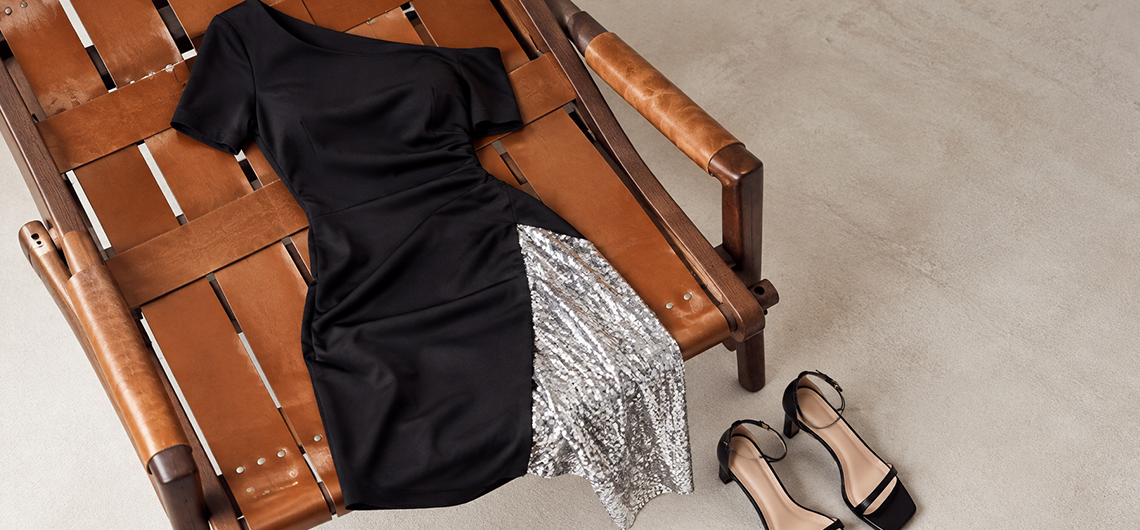
The dress looks striking on screen. The fabric flows, the seams appears smooth, and the price suggests you are seeing something special. Then it arrives: thin material, uneven stitching, and a lining that twists before you reach the mirror. The opposite can happen too. A modestly priced dress might fit beautifully and hold up through repeated wear. Price alone cannot tell you what is inside a garment, but a product listing leaves clues. Once you know where to look, you can compare fabric, construction, and fit with fewer surprises. Consider this your guide to reading a dress before ordering it.
The fabric name is your first clue, but it is not a verdict. Cotton, linen, wool, silk, polyester, and other fibers can each appear in dresses at different price points. How the fiber is woven, finished, and assembled matters as much as the name on the label. A vague description such as “soft blend” gives you less to judge than a stated fiber composition.
When you shop dresses online, look for percentages rather than relying on words like silky or breathable. A listing should tell you what the outer fabric contains and, ideally, what the lining contains too. If those details are missing, ask the seller before buying. You should not have to guess what will rest against your skin.
Think about how you will wear the dress. Linen may wrinkle visibly, while a synthetic blend can differ widely in weight and feel. A small amount of stretch may help movement, but it will not fix a cut that is too narrow. Match the material to your setting, the season, and your tolerance for upkeep.
Two dresses with the same fiber content can feel entirely different. Fabric weight, weave, and finish affect how a garment hangs and moves. A lightweight material may look airy and feel pleasant in warmth, yet need lining or a slip for coverage. A heavier fabric may hold its shape while feeling less suited to humid days.
Zoom in on close photographs. Can you see a distinct weave, texture, or surface finish? Does the fabric appear smooth across the body, or is it pulled tight at the seams? Ask for a close image if the listing shows only distant poses. A clear photograph will not tell you everything, but it can reveal more than dramatic studio lighting.
If you are comparing quality dresses online, read descriptions for words that explain behavior rather than mood. Drapes, stretches, holds shapes, and has a lining are more useful than elegant or elevated. Better still, look for an actual fabric weight or a close image of the garment hanging naturally.
A lining can make a dress easier to wear by adding coverage and reducing friction. It can also create problems when it is too short, too tight, or made from a fabric that feels uncomfortable. The presence of a lining tells you little unless you know where it sits and how it is attached.
Examine back and side photographs for visible edges or uneven layers. In a light colored dress , see whether pockets, seams, or the model's legs show through. Product photos can be edited or taken under forgiving light, so reviews with ordinary indoor photographs are useful. If the seller states that the dress is unlined, decide whether you would be comfortable wearing it as shown.
For lined dresses for women, compare the listed lining material with the outer fabric. A breathable outer layer may feel different against your body if the lining is dense. Check whether the lining covers the full skirt or only part of it. That detail can affect how the dress moves when you walk.
Seams reveal whether the design has been shaped with the body in mind. Darts near the bust, panels through the waist, and placement at the shoulders can help a dress follow its intended silhouette. None of these features alone proves a garment is well made, but clear photographs let you assess whether the design looks deliberate.
Inspect areas where patterns meet. On a striped or printed dress, do lines connect at obvious seams? Exact matching may require more fabric and time, so it can affect price. An abrupt break across the front may visibly stand out.
Look at the hem, too. Is it even across photographs? Does it lie flat, or does the edge curl and pull? If you are considering well made dresses online, search for close views of seam finishes and the inside of the garment. If none exist, reviews may fill the gap, or you may decide the listing leaves too many questions.
Descriptions sometimes promise structure while photographs show fabric clinging to every fold. Another listing may call a dress relaxed even though the model appears unable to move freely. Use inconsistencies as a prompt to observation, not as proof of a problem. Ask which detail you would need to know before feeling comfortable ordering.
Look for multiple angles and movement. A dress that looks excellent from the front may pull across the back or rise when the wearer sits. Videos can show how the fabric swings, but remember that lighting, clips, and styling can alter the impression. Seek images of the garment without a jacket or bag covering important areas.
If the same photograph appears across listings with very different specifications, pause before ordering. Compare the stated fiber content, measurements, and details in each listing. Similar images do not establish that the items are identical. Focus on what the particular seller can tell you about the garment you would receive.
A higher price cannot rescue a dress that does not fit, and a lower price does not mean the size guidance is useless. Read the garment measurements, then compare them with a dress you already enjoy wearing. Bust, waist, hips, shoulders, sleeve length, and total length each matter depending on the cut.
Model height can help you picture hem placement, but it cannot replace actual dimensions. Notice whether the measurements describe the body or the garment. If a dress has no stretch, allow for comfortable movement rather than selecting a measurement identical to yours. If sizing information is unclear, ask the seller how it was taken.
When you buy a dress online , check closures and openings. A zipper needs enough room to move smoothly, while buttons can pull apart across the bust or hips. Adjustable straps can help with length but will not change the shape of the bodice. These practical details often determine whether the dress leaves the closet.
Star ratings are quick to scan, but detailed reviews offer more useful clues. Look for comments about fabric thickness, transparency, stitching, shrinkage, and how the garment changed after washing. A photograph taken in normal light may help you judge color and drape more accurately than a studio image.
Read across a range of sizes if possible. A dress may fit one body comfortably while pulling at the hips or shoulders on another. Focus on reviewers who describe their measurements, expectations, and reason for returning or keeping it. Several similar complaints deserve attention; one isolated comment may reflect an individual preference.
If you are researching occasion dresses online, look for reviews from people who actually wore the dress through an event. Did they sit comfortably, move freely, and find the hem manageable? Such details speak to how the garment performs after the photograph has been taken.
Even a thorough listing cannot let you feel fabric through a screen. Before checkout, read the return window, item condition rules, and any shipping charges. Know whether trying the dress on indoors is allowed and whether removing a tag changes your options. Keep the packaging until you have assessed the garment at home.
Once it arrives, inspect it in daylight. Check seams, lining, closures, and hem, then try it on with the shoes you plan to wear. Sit, walk, and raise your arms. Look at the dress under indoor light as well. If the fabric or fit differs from what you expected, use the seller's stated process within the allowed time.
A dress earns its price through details you can use, not the number on its tag. Read the listing closely, ask for missing information, and compare what you see with your real plans. The goal is not to guess which dress costs more. It is to choose one you will enjoy wearing when the parcel finally opens.