
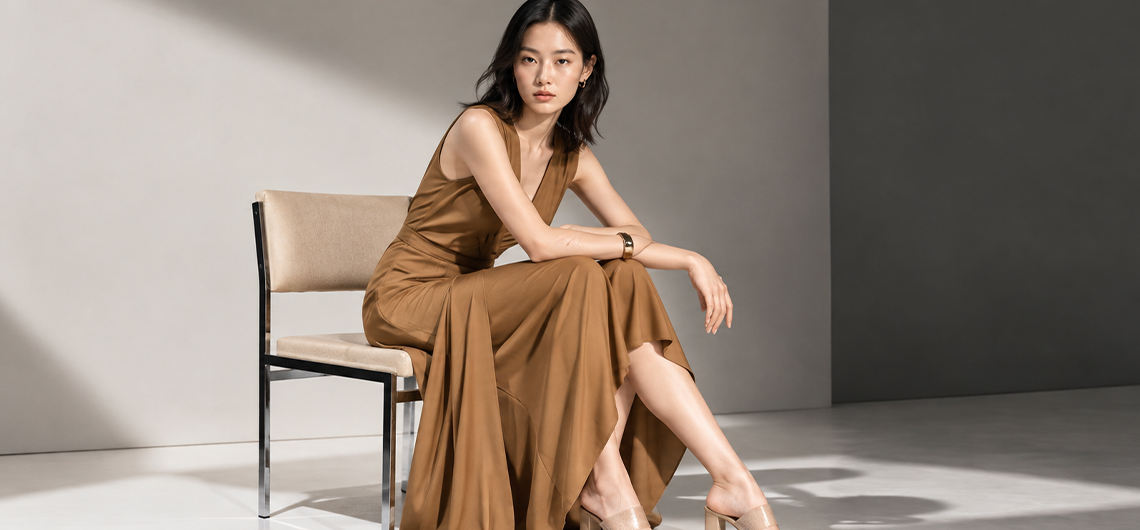
Maybe you love the idea of a dress until you put one on. The waist pinches, the hem demands attention, the fabric clings, and your favorite jeans seem like an escape plan. You are not difficult to dress. You may simply have been trying dresses designed for a version of comfort that is not yours. The right piece lets you sit, walk, eat, reach, and get through your day without adjustments. It can look expressive while feeling familiar. If you have written off dresses, try approaching them from a different direction: start with what bothers you, then choose around it.
“I hate dresses” can describe several different frustrations. Perhaps you dislike a tight waist, bare legs, short hems, delicate fabric, or the feeling that an outfit needs constant fixing. Maybe dresses make you feel overdressed in places where you prefer to blend in. Pinning down the issue makes shopping more useful than trying another random style.
Think about the last dress you removed halfway through an event. What happened? Did the neckline shift when you moved? Did the fabric stick to your legs? Did you need to keep pulling the skirt down? Write down those details. They are practical clues, not signs that dresses are somehow off limits for you.
Then list the clothes you already enjoy wearing. If oversized shirts feels good, a shirt dress might make sense. If loose pants are your everyday choice, you may like a dress with a straight cut and plenty of movement. Start from a familiar feeling and add the shape gradually.
A defined waist can be lovely in photographs and irritating by lunchtime. If that sounds familiar, look for shifts, relaxed columns, or dresses with adjustable ties. These designs let the fabric fall from the shoulders or skim the body without holding you at one fixed point.
When searching for loose fitting dresses for women, read measurements rather than relying on labels like relaxed. Compare the bust, waist, and hip dimensions with a garment you own. Check whether the tie is removable or fixed and whether elastic feels narrow or wide. Small construction choices can change how a dress feels after several hours.
A roomy shape doesn’t have to look shapeless. A clear neckline, interesting sleeve, or crisp fabric, can give it definition. Try the dress with shoes that feels like you, whether those are simple sneakers, flat sandals, or boots. You can also leave the waist free instead of adding a belt merely because a styling photo suggests one.
A dress can have the right shape and still feel wrong because of its fabric. Stiff material may hold away from your body but restrict movement. Very thin fabric may feel light while showing every fold. Softness matters, yet so do breathability, opacity, and how the material behaves when you sit.
If you are browsing comfortable cotton dresses, check whether the fabric has any stretch and whether the garment is lined. Cotton blends can feel different from a crisp woven cotton, so read the full description. Jersey often moves easily, while a woven fabric may keep a cleaner outline. Neither choice works for everyone or every setting.
Do a quick movement test when the dress arrives. Sit on a chair, lift your arms, bend to pick something up, and walk across the room. Notice whether the fabric pulls or bunches. A dress you can admire only while standing still will probably spend more time hanging than being worn.
Hem length can change your whole relationship with a dress. If you spend the day worrying about what happens when you sit or climb stairs, try a longer midi. If fabric around your ankles annoys you, a knee length style may feel freer. Your comfortable length is personal, and it may change with the activity.
For casual midi dresses, pay attention to where the hem falls on your body, not just the model in the listing. Product length measurements give you a starting point. Compare them with a dress or skirt you already own, then think about your usual shoes. A midi that ends at an awkward spot with one pair may feel balanced with another.
Slits can help longer dresses move, but their placement matters. Check the opening while sitting and walking. If you would have to monitor it all day, keep looking. A good everyday dress should let you move through the day without turning every chair into a calculation.
Wearing a dress does not mean giving up the clothing you usually rely on. A denim jacket, open shirt, cardigan, or relaxed blazer can make a dress feel closer to your everyday style. Layers also give you options when temperatures change between the street, transit, and indoor spaces.
If you like coverage or dislike the feeling of bare legs, try leggings, tights, or shorts underneath. Choose what feels comfortable with the fabric and season. The goal is to solve a real annoyance, not to follow somebody else's idea of how a dress is supposed to be worn.
A shirt dress with pockets can offer a familiar starting point. Buttons, a collar, and a relaxed shape borrow from clothes you may already enjoy. Check whether the buttons pull when you sit and whether the pockets hold anything without dragging the fabric. A pocket that looks useful in a photograph may behave differently with your phone inside.
Some dress resistance is really resistance to feeling dressed up. A simple T-shirt dress, utility dress, or sweater dress can bridge the gap between your usual clothes and one piece outfit. Choose familiar colors first if a new shape already feels like a big step.
When shopping for everyday dresses for woman, picture an ordinary errand rather than a special event. Could you walk to lunch, sit through work, or carry groceries without rearranging the outfit? If the answer is yes, the dress has a practical place in your wardrobe. If you can imagine wearing it for a photograph, reconsider.
Shoes set the tone quickly. Sneakers can make a sleek dress casual; flat boots can ground a flowing one. A structured bag may sharpen a soft shape, while a relaxed bag can bring down the formality. Start with accessories you own so the dress fits into your life instead of demanding a new supporting cast.
A product photo captures a few seconds. You need a dress that works through hours of movement, changing temperatures, and whatever your schedule brings. Before ordering, read the fabric details, garment measurements, washing instructions, and return terms. Look for photographs that show the dress from the side and back as well as the front.
If you want to buy comfortable dresses online, measure a garment you enjoy rather than guessing from your body measurements alone. Compare shoulder width, bust, hips, and length. Note whether the design has a zipper, buttons, stretch, or adjustable details. Those features can affect how easily you get dressed and how freely you move afterward.
Try a new dress at home with the shoes and layers you would actually wear. If possible, keep the receipt until you have worn it around the house long enough to notice any recurring irritation. Spend a little time doing normal things in it. If you find yourself constantly adjusting the neckline or pulling at the hem, that information matters more than how good the dress looked on a hanger.
You don’t need to build a dress collection overnight. Choose one that addresses your main complaint and works with at least three outfits you can picture wearing soon. A relaxed cut may solve the waist problem, a longer hem may ease the worry about sitting; a familiar fabric may take the whole idea feel easier.
Repeat wearing it in different ways. Add a jacket for a casual outing, change the shoes for dinner, or layer a shirt over it so it reads more like a shirt. If those combinations feels natural, you have found a unusual piece. If they feel bored, keep the lesson and try a different cut next time.
The comfortable choice is the one that lets you forget about the dress and focus on your day. You don’t need to become a different person to wear one. Find a shape that respects how you move, pair it with clothes you already like, and let your own sense of ease decide whether it stays.